
Uncategorized
Certified Vapes Explained: Safety, Quality, and Value
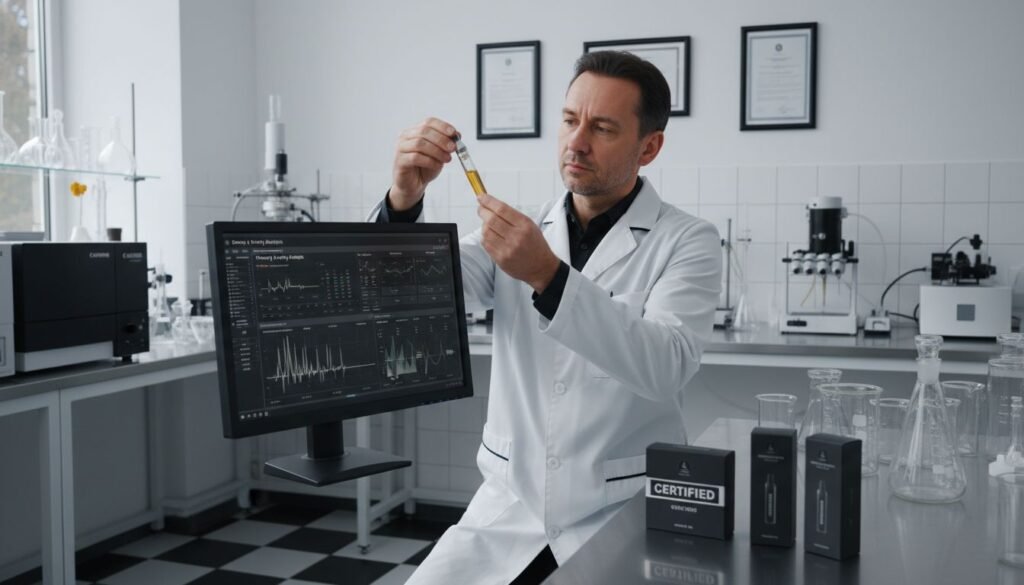
Oct
Certified Vapes Explained: Safety, Quality, and Value
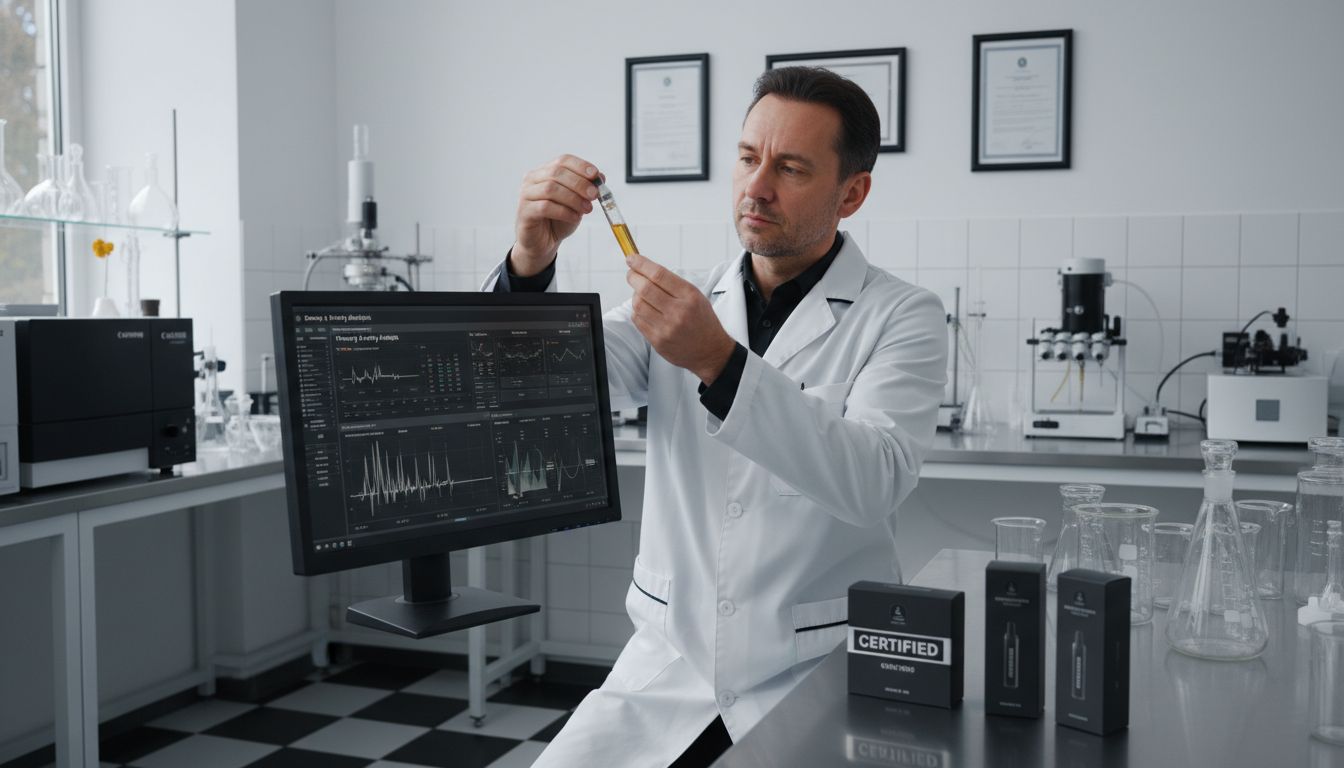
Did you know that 99% of vape products sold in convenience stores contain nicotine despite claims of being harmless? The growing popularity of vaping raises important questions about product safety and truth in labeling. As more people turn to cannabis vape devices, understanding what makes a vape certified can help you avoid hidden risks and common myths. A clear look at certification gives you the facts you need to make safe, confident choices.
Table of Contents
- What Certified Vapes Are and Common Myths
- Certified vs. Uncertified Vapes: Key Differences
- Safety Standards and Laboratory Testing Processes
- Legal Requirements for Cannabis Vape Certification
- Risks of Non-Certified Vaping Products
Key Takeaways
| Point | Details |
|---|---|
| Certified Vapes Ensure Safety | Certified vapes undergo rigorous laboratory testing, verifying potency, purity, and compliance with safety regulations. |
| Consumer Risks with Uncertified Vapes | Non-certified vaping products may contain harmful substances, inconsistent potency, and lack crucial safety testing. |
| Importance of Informed Choices | Consumers should prioritize certified products for a safer vaping experience, as they provide transparency and reduce health risks. |
| Legal Framework Supports Safety | Cannabis vape certification is governed by strict federal and state regulations to ensure product quality and consumer protection. |
What Certified Vapes Are and Common Myths
Certified vapes represent a rigorous category of cannabis vaping products that undergo comprehensive safety testing and quality verification. Unlike unregulated alternatives, these devices are meticulously examined to ensure they meet strict standards for potency, purity, and consumer protection. According to the guide on benefits of using 3G Disposable Vapes, certification involves multiple layers of laboratory assessment.
Several persistent myths surround vaping, particularly regarding safety and composition. According to the CDC, a prevalent misconception is that e-cigarettes produce harmless water vapor. In reality, these devices can deliver nicotine and potentially harmful chemicals. The research highlights that 99% of vape products sold in convenience stores contain nicotine, challenging the belief that these are simply flavored, harmless devices.
Key characteristics of certified vapes include:
- Comprehensive laboratory testing
- Verified THC and cannabinoid concentrations
- Rigorous quality control processes
- Transparent ingredient disclosure
- Compliance with safety regulations
Consumers should approach vaping with an informed perspective, understanding that while certified products offer enhanced safety, they still carry inherent risks associated with cannabis and nicotine consumption. Responsible use, thorough research, and purchasing from reputable sources remain critical for maintaining personal health and safety.
Certified vs. Uncertified Vapes: Key Differences
The fundamental distinction between certified and uncertified vapes lies in their rigorous safety standards and quality control processes. According to research from the CDC, certified vapes undergo extensive regulatory oversight, ensuring they meet critical safety requirements and contain known, verified ingredients. By contrast, uncertified vapes obtained from unregulated sources may contain unpredictable and potentially harmful substances.
Manufacturing processes represent another critical differentiator. Choosing the right vape strain becomes significantly more reliable with certified products, which are produced under strict quality control protocols. Uncertified alternatives often lack transparency and may introduce significant health risks through unknown chemical compositions.
Key comparative differences include:
Here’s a comparison of certified vs. uncertified vapes:
| Criteria | Certified Vapes | Uncertified Vapes |
|---|---|---|
| Ingredient Transparency | Detailed listings | Often unknown or incomplete |
| Safety Testing | Comprehensive lab evaluations | Rare or none |
| Regulatory Compliance | Meets strict standards | Typically non-compliant |
| Chemical Consistency | Precise THC/cannabinoid concentrations | Unpredictable potency |
| Consumer Protection | Lower risk of contamination Recall systems |
High risk of contamination |
- Ingredient Transparency: Certified vapes provide detailed ingredient lists
- Safety Testing: Comprehensive laboratory evaluation for certified products
- Chemical Consistency: Predictable and controlled substance concentrations
- Regulatory Compliance: Meeting established health and safety standards
- Consumer Protection: Reduced risk of contamination or unexpected reactions
Ultimately, the choice between certified and uncertified vapes represents a critical decision for consumer health.
While uncertified products might seem more accessible or affordable, the potential long-term health risks far outweigh short-term cost savings. Prioritizing certified vapes ensures a safer, more reliable cannabis consumption experience with minimal unexpected complications.
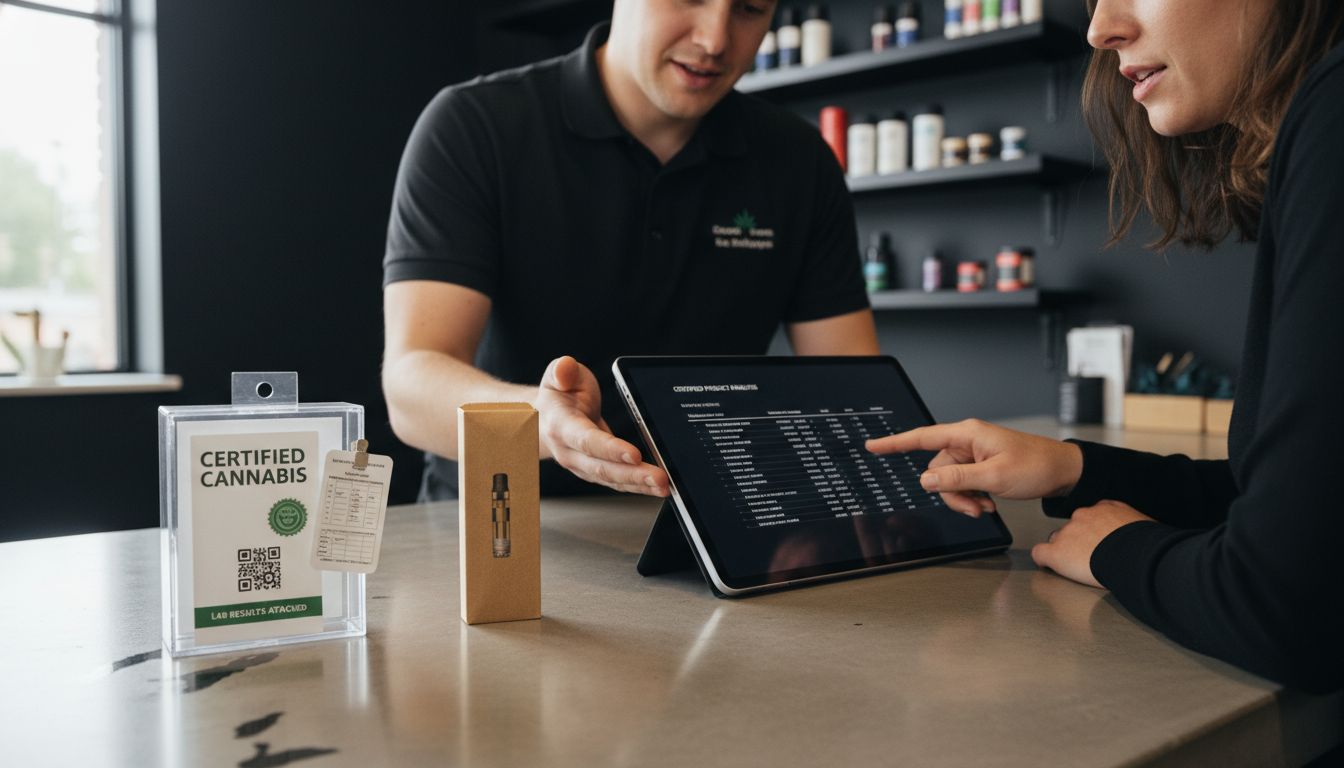
Safety Standards and Laboratory Testing Processes
Laboratory testing represents the cornerstone of ensuring vape product safety and quality. These comprehensive evaluations go far beyond simple chemical analysis, involving sophisticated protocols designed to protect consumer health and verify product integrity. Manufacturers committed to certification invest significant resources into multi-stage testing processes that examine every aspect of their vaping products.
The testing methodology typically encompasses several critical examination stages. Choosing the right vape strain becomes more precise through meticulous screening that includes:
- Potency Analysis: Measuring exact cannabinoid concentrations
- Contaminant Detection: Screening for pesticides, heavy metals, and residual solvents
- Terpene Profile Evaluation: Assessing flavor complexity and potential therapeutic attributes
- Microbiological Testing: Checking for harmful bacteria or fungi
- Consistent Performance Verification: Ensuring uniform device functionality
These rigorous assessments require advanced scientific equipment and highly trained laboratory professionals who understand the nuanced complexities of cannabis extraction and vaporization technologies. The goal extends beyond mere compliance – it’s about creating a transparent, trustworthy ecosystem where consumers can confidently select products knowing they’ve been subjected to exhaustive scientific scrutiny.
Ultimately, safety standards in vape production are not just about meeting minimum regulatory requirements. They represent a commitment to consumer wellness, technological innovation, and responsible manufacturing practices that prioritize user health and product reliability.
Legal Requirements for Cannabis Vape Certification
Cannabis vape certification involves a complex landscape of federal and state-level legal requirements designed to ensure consumer safety and product quality. According to the FDA, cannabis and cannabis-derived products are regulated under the Federal Food, Drug, and Cosmetic Act, which mandates strict guidelines for manufacturing, labeling, and distribution of vaping products.
State-level regulations add another layer of complexity to the certification process. FAQs about cannabis regulations reveal that medical marijuana laws vary significantly across different jurisdictions, but most share common requirements for comprehensive product testing. These typically include:
- Potency Verification: Precise measurement of THC and cannabinoid concentrations
- Contaminant Screening: Thorough testing for pesticides, heavy metals, and harmful chemicals
- Production Facility Licensing: Mandatory certification of manufacturing environments
- Packaging and Labeling Compliance: Strict guidelines for product information disclosure
- Tracking and Traceability: Comprehensive seed-to-sale monitoring systems
The legal framework surrounding cannabis vape certification is dynamic and continually evolving. Manufacturers must navigate a complex regulatory environment that prioritizes consumer protection while balancing innovation and market demands. This requires ongoing commitment to compliance, regular testing, and adapting to new regulatory standards as they emerge.
Ultimately, legal requirements for cannabis vape certification represent a critical safeguard for consumer health, ensuring that only rigorously tested and verified products reach the market. Consumers can feel confident knowing that certified vapes undergo extensive scrutiny to meet the highest standards of safety and quality.
Risks of Non-Certified Vaping Products
Non-certified vaping products represent a significant health hazard for consumers, presenting a complex array of potential risks that extend far beyond typical product safety concerns. These unregulated devices often bypass critical quality control measures, creating a dangerous landscape where consumers unknowingly expose themselves to potentially harmful substances and unpredictable manufacturing standards.
The most alarming risks associated with non-certified vapes include potential contamination and inconsistent chemical compositions. About our product safety commitment underscores the importance of understanding these dangers. Specific risks encompass:
- Chemical Contamination: Presence of harmful pesticides, heavy metals, and unknown solvents
- Inconsistent THC Concentrations: Unpredictable potency levels that can lead to unexpected effects
- Potential Toxic Additives: Unverified ingredients that may cause respiratory complications
- Device Structural Failures: Poorly manufactured components risking battery explosions
- Lack of Traceability: No accountability for product origins or manufacturing processes
Beyond immediate health concerns, non-certified vaping products create broader risks for consumers. The absence of regulatory oversight means users have no guaranteed protection against substandard manufacturing practices, potential long-term health impacts, or misleading product claims. These unregulated products essentially transform personal consumption into an uncontrolled experiment with potentially serious consequences.
Consumers must recognize that saving a few dollars on an uncertified vape product could translate into significant health risks. Investing in certified, professionally tested vaping products represents a critical step in protecting personal wellness and ensuring a safe, predictable cannabis consumption experience.
Choose Certified Vapes for Quality and Peace of Mind
Navigating the world of cannabis vaping can feel overwhelming when safety and product integrity are top concerns. This article highlights the real risks of uncertified vapes, such as chemical contamination and inconsistent potency. If you want a vaping experience that guarantees purity, transparent testing, and consistent effects, trusted sources are essential. When looking for premium vaporizer disposables with verified lab testing and full-spectrum flavor, you can turn to reliable collections like those found in the Uncategorized – Official 3g Favorites Store.

Don’t settle for uncertainty or compromise your health with uncertified products. Act now to explore our expertly curated lineup. Visit Official 3g Favorites Store to discover high-potency Liquid Diamonds disposables designed with advanced extraction technology, so you enjoy consistent potency and superior flavor. Take control of your cannabis experience today by choosing certified vapes that prioritize your safety and satisfaction.
Frequently Asked Questions
What are certified vapes?
Certified vapes are cannabis vaping products that undergo rigorous safety testing and quality verification, ensuring they meet strict standards for potency and purity before reaching consumers.
How do certified vapes differ from uncertified vapes?
The main difference lies in their rigorous safety standards and quality control. Certified vapes undergo extensive laboratory testing and regulatory oversight, while uncertified vapes may contain harmful substances and have unpredictable chemical profiles.
What testing processes do certified vapes go through?
Certified vapes undergo multiple testing processes, including potency analysis, contaminant detection, terpene profile evaluation, microbiological testing, and consistent performance verification to ensure product safety and reliability.
What are the risks of using non-certified vaping products?
Non-certified vaping products pose significant health risks, including chemical contamination, inconsistent THC concentrations, potential toxic additives, and lack of traceability, making them unpredictable and potentially harmful to consumers.
Recommended
- Benefits of Using 3G Disposable Vapes – Official 3g Favorites Store
- Understanding Liquid Diamonds – Official 3g Favorites Store
Article generated by BabyLoveGrowth
